
Agentic AppSec
AppSec tools find the bug. BlinkOps ships the fix. Agentify your AppSec processes. Better outcomes from the SAST, DAST, and SCA tools you already have, with no rip-and-replace.
Pre-built micro agents for AppSec triage, reachability validation, ownership routing, and fix drafting, or build your own.
Custom approval flows, web forms, and case management around any of it.
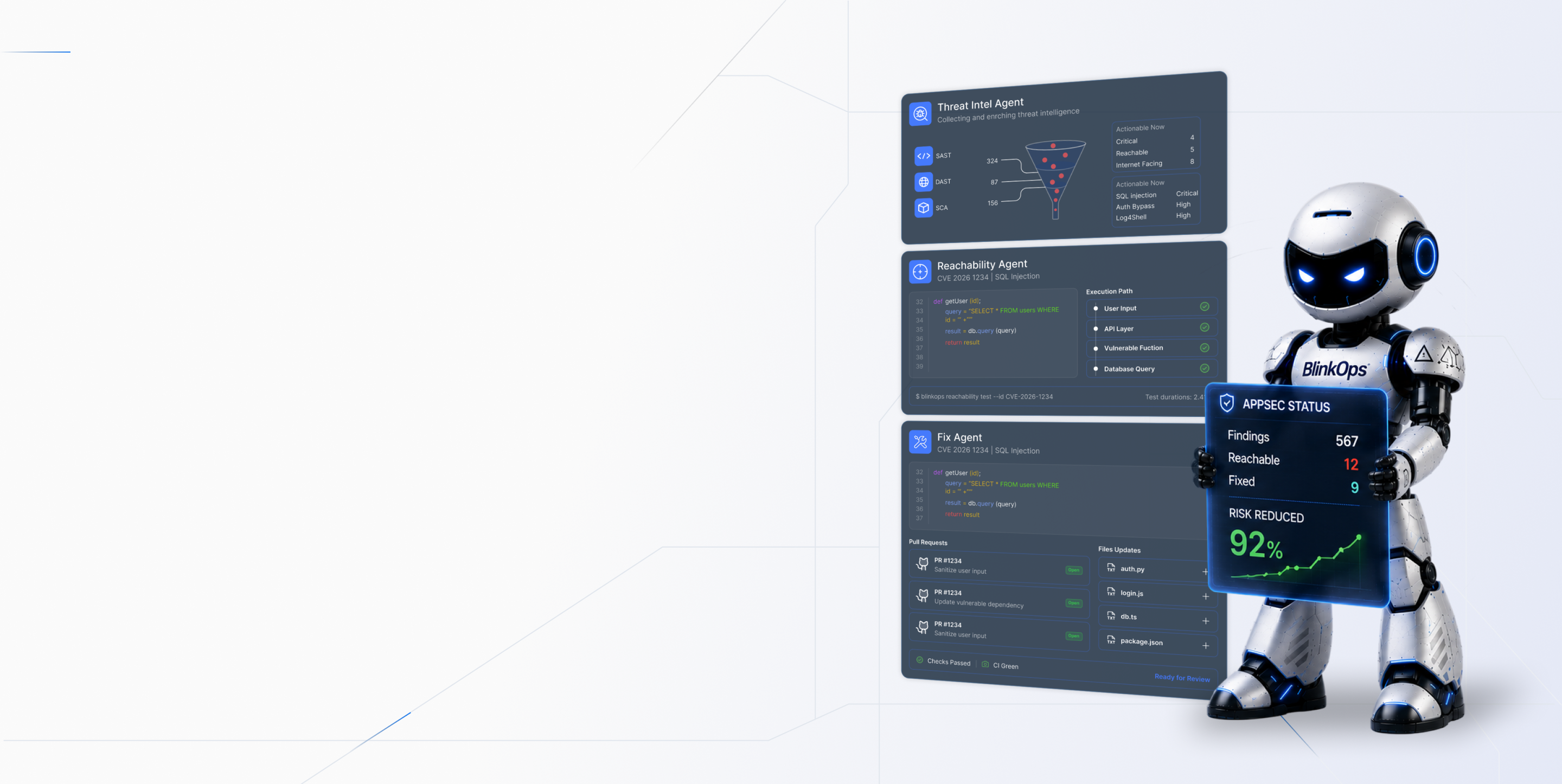
Specialized coverage for every scanner, code host, and CI you already run.
AppSec only works if the agents reach every tool that produces a finding and every system where the fix lands. BlinkOps ships specialized coverage for the major SAST, DAST, SCA, secret, and container scanners, plus the code hosts and CI/CD systems your developers actually use.
Cross-tool dedup
SAST and SCA reporting the same issue open one case, not three. Severity reconciled across tools.
Reachability-aware
Noise filtered out before anyone gets paged. Only findings that actually run reach the developer.
Drafts fixes, not tickets
PRs in your repo conventions, with a written attack-path explanation, not backlog rows.


Featuring the most commonly used agents for AppSec
Each agent has a focused role, a knowledge base specific to your codebase, and a tightly scoped set of abilities. They reason, they validate, and they ship the fix through your approvals.
Triage Agent
Validates across every AppSec tool
Takes findings from SAST, DAST, SCA, secret, and container scanners. Dedups across tools, kills the false positives, reconciles conflicting severity, and surfaces what is real.
Cross-tool dedup
False positive suppression
Severity reconciliation
Reachability Agent
Checks whether the bug actually runs
Walks the call graph and dataflow to confirm whether a vulnerable component or function is actually reachable in your build. Most criticals never run. The ones that do get prioritized.
Call-graph and dataflow analysis
Runtime-aware reachability
Compensating control checks
Routing Agent
Lands the finding where it can be fixed
Maps each real finding to the owning service and the owning developer. The right person gets the right context, in their tools, the day the finding appears.
Service-to-owner mapping
Slack and Teams handoff with context
Linked to PR and ticket
Fix Agent
Drafts the PR, not just the ticket
Writes the remediation in your repo conventions. Version bump, code change, or config fix, with a written explanation of the attack path and the change. Developers review, not write from scratch.
Repo-aware code generation
Version bump or code change
Explained, attack-path-grounded PRs

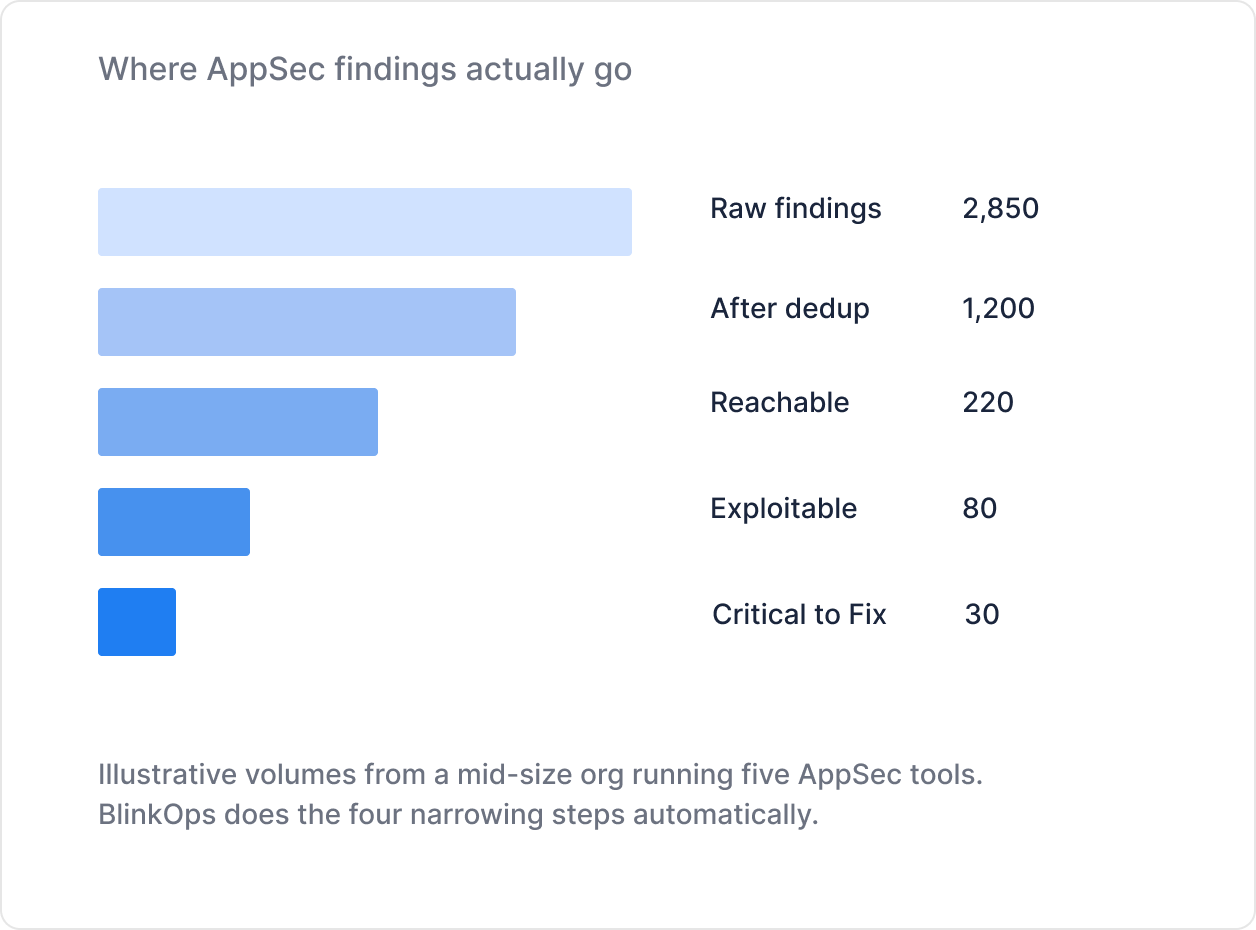
Most of your AppSec output never deserved a ticket.
Five AppSec tools, thousands of findings, and only a few that actually matter. Dedup, reachability, exploitability, and prioritization are the four narrowing steps. Most teams do them manually, slowly, and only on the loudest findings. The rest sit in the backlog and grow.
From scanner output to merged fix.
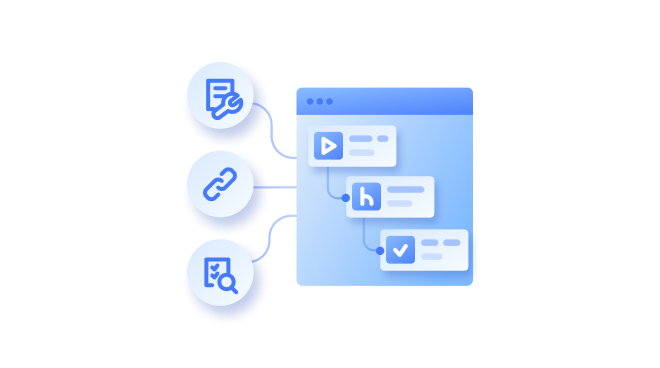
Agentic workflows that take findings from every AppSec tool, dedup them, check reachability, route to the owning developer, and draft the fix as a PR. Continuous, in your repos and your CI, with human approval where it matters.
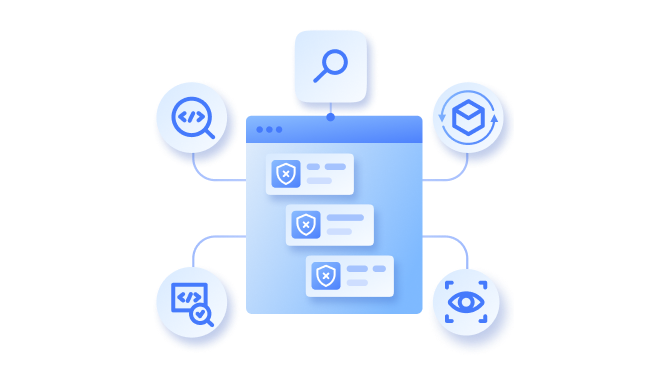

Findings in


Narrow and route
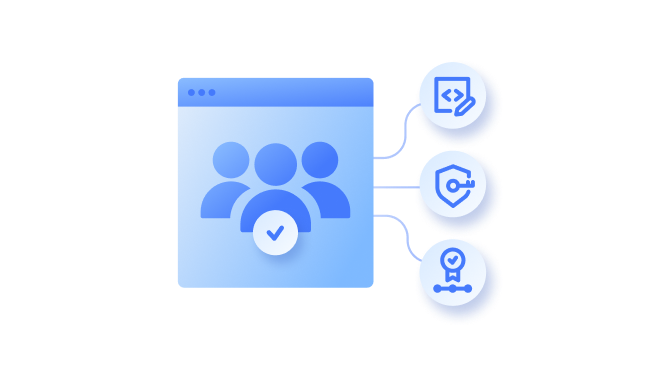

Confirm with people

PR opened


Shipped and verified
Findings to PRs. Backlogs to zero.
Findings to fixes
PRs drafted, not tickets piled up.
Reachability validated
Noise filtered before anyone gets paged.
Routed to the right dev
Finding lands where it can be fixed.
Verified close
Rescan confirms the fix actually landed.
One platform. The building blocks behind every fix.
Agentic AppSec is not a single agent. It is dashboards, tables, case management, agents, workflows, and the channels your developers already work in, packed into one end-to-end solution.
App inventory, code ownership, finding history, suppressions, and SBOM the agents query.

Every finding tracked from intake to verified close, with full history and links to the PR.
Triage across tools, validate reachability, route to the owning developer, and draft the fix.
Deterministic execution. Open PRs, gate pipelines, rescan, and close cases.
forms
Developers request exceptions or suppressions in one place, with the right context attached.
Agents reach the owning developer in Slack or Teams with the finding and the fix, in thread.
SAST, DAST, SCA, secret and container scanners, code hosts, CI/CD, and ticketing through one engine.

45days vs. hours.
Same finding. Two response models. The difference is whether AppSec ships a ticket or a fix.
Manual deprovisioning
Scanner → Ticket → Backlog → Maybe fix
Scanner fires. Security opens a ticket. Ticket lands in a backlog with no owner. Dev pushes back on severity. Sprint planning, eventual maintenance window, eventual fix. Often it never ships.
→
~45 days on average
Agentic deprovisioning with Blink
Scanner → Dedup → Reachable → PR drafted
The HRIS event triggers a deterministic revoke across every system the leaver touched. IdP, SaaS, cloud IAM, PAM, and the long-tail apps. Logged for audit, in one case.
→
Same day, fully logged
vs

Why agentic AppSec keeps up with AI code.
AI is writing code faster than any human team can review. Finding volume is going up, not down. The advantage goes to the platform that can triage, validate, and ship fixes at the same speed as the code arrives.